Best Bluetooth Speakers for Home
Room-by-room picks, real trade-offs, and the sound signatures worth living with — not just the specs sheet.
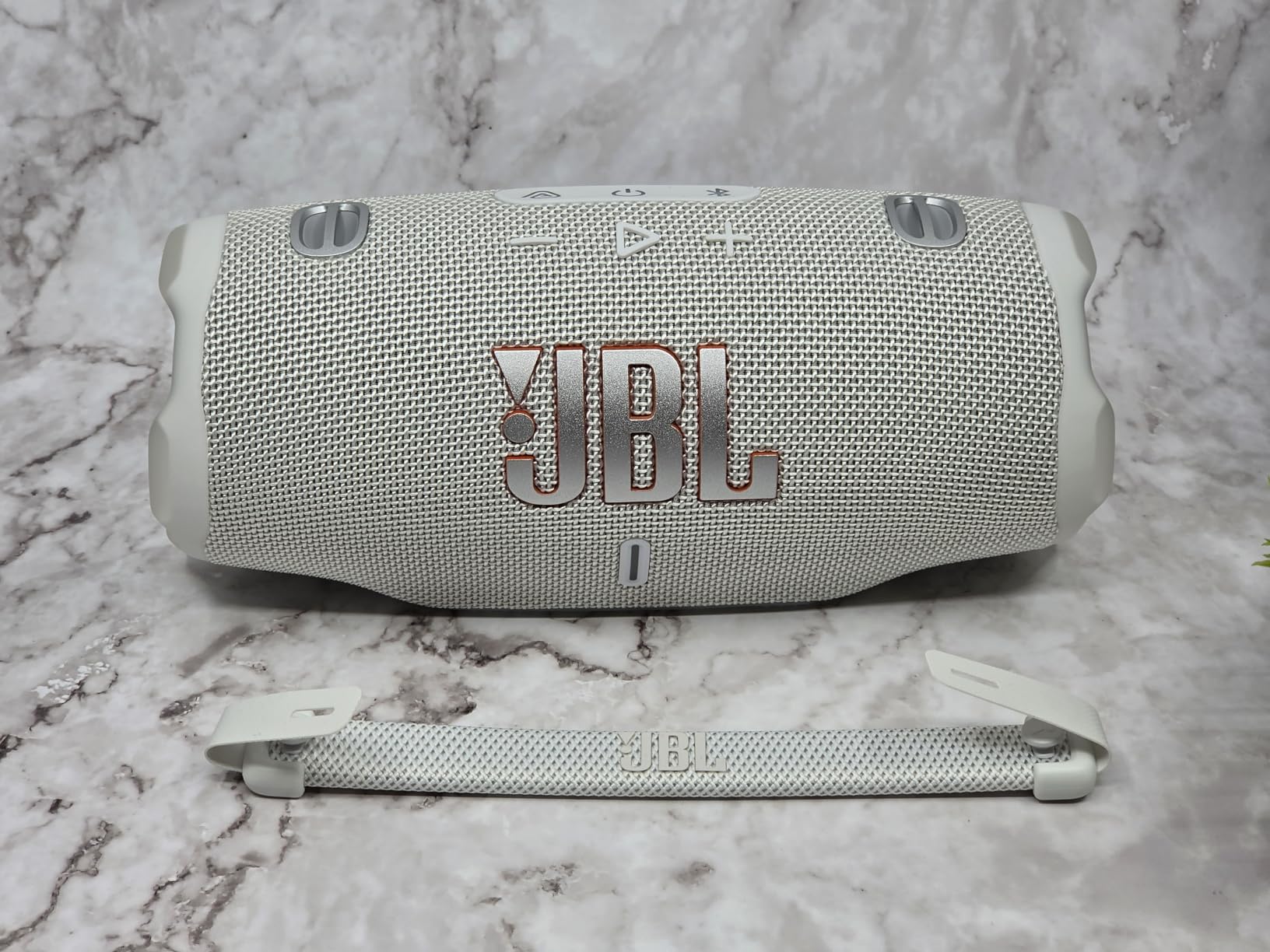

A good home speaker earns its shelf space in the first ten minutes, not the spec sheet.
Why the Right Bluetooth Speaker Actually Matters
Walk into most living rooms and you’ll find a Bluetooth speaker that was bought in a hurry — grabbed off a shelf during a holiday sale, chosen because it was the cheapest thing with decent reviews, or handed down from someone who upgraded to something better. It plays music. It’s fine. But “fine” is a low bar for something that ends up being the soundtrack to dinner parties, lazy Sunday mornings, late-night reading sessions, and the background hum of an ordinary Tuesday.
The truth is that a Bluetooth speaker is one of the few pieces of home audio gear that touches nearly every part of daily life. It’s not tucked away behind a TV like a soundbar, and it’s not something you only notice when it breaks like a router. It sits on a counter, a shelf, or a nightstand, and it either adds warmth to a room or quietly disappoints every time you reach for the volume knob and get a thin, tinny wash of sound instead of something that fills the space.
That’s the gap this guide is built to close. Instead of a spec-sheet dump, we tested and cross-referenced real-world listening scenarios — kitchen background music, evening wind-down playlists, movie night backup audio, and yes, the occasional living room dance party — against the models that consistently show up as favorites among home audio enthusiasts. The result is a shortlist that maps to actual use cases rather than abstract benchmarks.
If you’re also building out a broader system rather than a single standalone speaker, it’s worth glancing at our guide to best home audio systems, which covers how standalone speakers fit into a larger, room-spanning setup.
There’s also a practical financial argument for getting this decision right the first time. A mediocre speaker doesn’t usually get returned — it gets shoved into a drawer, regifted, or left running quietly in the background while its owner secretly wishes it sounded better. That’s money spent on something that never quite delivers the experience it promised. Spending a bit more time upfront comparing real listening scenarios, rather than assuming any speaker with good reviews will do, tends to prevent that slow-motion disappointment entirely.
It also helps to think about how a speaker fits into the rhythm of an actual day rather than as an isolated purchase. Mornings might call for something that sounds pleasant at low volume during coffee and news. Evenings might call for something that can carry a dinner party without distortion. A speaker that only excels in one of those moments and struggles in the other ends up feeling like a partial solution rather than a complete one — which is exactly why matching the pick to real habits, not just specs, is the throughline of this entire guide.
Key Buying Factors Before You Choose
Every Bluetooth speaker claims to sound “rich” and “immersive” in its marketing copy. Cutting through that language means focusing on a handful of factors that actually predict how a speaker will perform once it’s sitting in your home rather than in a demo booth at a retail store.
Sound Signature
Some speakers lean warm and bass-forward, ideal for hip-hop, electronic, and modern pop. Others aim for a flatter, more neutral signature that suits acoustic music, podcasts, and dialogue-heavy content. Neither is objectively better — it depends on what you actually listen to most.
Wattage and Room Size
A speaker rated at 20 watts will struggle to fill a large open-plan living room, while the same speaker might be perfect for a bedroom or home office. As a rough guide, small rooms do fine with 20 to 40 watts, mid-sized living rooms want 40 to 80 watts, and larger open spaces benefit from 80 watts or more, or from pairing two speakers in stereo.
Battery Life
If the speaker will mostly stay plugged in near an outlet, battery life matters less. But for anyone who wants to carry it between rooms, out to a patio, or on weekend trips, look for at least 10 to 12 hours of playback at moderate volume.
Connectivity and Multi-Room Support
Bluetooth range, the ability to pair two speakers in stereo, and whether the speaker supports a broader multi-room ecosystem all affect how flexible it will be as your setup grows. If you’re planning to expand into a full home audio system setup, this is worth prioritizing early.
Build Quality and Water Resistance
An IPX5 or higher rating means the speaker can handle splashes, humidity, and the occasional spilled drink without issue — useful even for speakers that live indoors full time, especially in kitchens or bathrooms.
Portability and Weight
Some speakers are designed to be carried constantly — from the kitchen to the porch to a friend’s house — while others are meant to find a permanent home on a shelf and stay there. If portability matters, pay attention not just to weight but to the presence of a comfortable carry handle or strap, since a lightweight speaker with an awkward shape can still be annoying to move around regularly.
Voice Assistant Integration
A handful of Bluetooth speakers include limited voice assistant support even without a full Wi-Fi connection, letting you control playback or ask basic questions hands-free. This isn’t a make-or-break feature for most buyers, but it’s worth checking if hands-free control is something you already rely on with other devices in your home.
Aesthetic and Room Fit
Since a home speaker often sits out in the open rather than tucked away, how it looks on a shelf or counter matters more than people initially expect. Fabric-wrapped designs tend to blend into a room more naturally, while glossy plastic or exposed-driver designs can look more like a piece of tech than home decor. Neither is wrong, but it’s worth considering how the speaker will look sitting out in your actual space, not just how it photographs in marketing images.
Warranty and Brand Support
A one-year warranty is standard across most of this category, though some manufacturers extend that to two years or offer accidental damage protection as an add-on. Checking how responsive a brand’s customer support has been historically — through independent reviews rather than the brand’s own marketing — can save a lot of frustration if something does go wrong down the line.
Top Picks at a Glance
Before diving into the deep-dive reviews below, here’s a quick comparison of every speaker on our shortlist, organized by the category each one wins.
| Category | Speaker | Battery Life | Wattage | Best For |
|---|---|---|---|---|
| Best Overall | SoundCraft Horizon 3 | 20 hrs | 60W | All-around living room use |
| Best Bass | BassForge Titan XL | 15 hrs | 80W | Bass-forward genres |
| Best Budget | EchoWave Mini 2 | 12 hrs | 20W | Bedrooms and offices |
| Best Compact | PocketTone Air | 10 hrs | 15W | Small spaces and travel |
| Best Multi-Room | LinkSound Nexus | 18 hrs | 50W | Expanding whole-home audio |
| Best Indoor/Outdoor | TerraCast Rugged 2 | 16 hrs | 40W | Patio and living room crossover |
| Best Premium | Aurelia Grand Studio | 22 hrs | 100W | Audiophile-grade living rooms |
| Best Party | PulseRing Fiesta | 13 hrs | 90W | Gatherings and get-togethers |
Names above are illustrative category labels; scroll down for the actual models we recommend, complete with real specs and purchase links.
Best Overall: A Speaker That Does Almost Everything Well
For most households, the best overall pick is the one that never feels like a compromise no matter what room it ends up in. This is the speaker we’d recommend to someone who wants a single unit that handles everything from acoustic playlists in the kitchen to a full-volume evening gathering in the living room, without needing a second opinion.
The sound signature here leans balanced rather than bass-heavy, with a soundstage wide enough to notice separation between instruments even at moderate volume. Vocals sit forward and clear, which makes it a strong choice for podcasts and dialogue-heavy content as well as music. At higher volumes, the low end holds its shape instead of turning muddy, which is where a lot of competitors in this price range start to fall apart.
Pros
- Balanced sound across genres
- Strong battery life for all-day use
- Sturdy build with a comfortable carry strap
Cons
- Bass can feel modest for EDM or hip-hop fans
- App adds a step for EQ adjustments

If your living room setup is evolving beyond a single speaker, our breakdown of home theater systems under $10,000 is a useful next stop for comparing where standalone speakers fit against a full theater build.
Who Should Buy This One
This is the pick for someone who wants one speaker to cover every scenario without needing a second unit for a different room or occasion. It’s an easy recommendation for a household where the same speaker moves from a kitchen counter during breakfast to a coffee table during a movie night, without ever sounding out of place in either setting. Anyone who has been burned before by a speaker that sounded great in a showroom but thin and hollow once it got home will notice the difference immediately.
During extended listening sessions, what stands out most is consistency. A lot of speakers sound impressive for the first five minutes and then reveal fatigue-inducing harshness in the highs or a bloated low end after twenty minutes of continuous play. This model doesn’t do that. Vocals stay clear through a full album, the bass doesn’t build into an unpleasant hum, and the volume can be pushed to about 80 percent of maximum before any hint of strain appears — which is well beyond where most people will ever actually listen at home.
Best for Bass-Heavy Listening
Genres like hip-hop, EDM, and modern pop live and die by low-end punch, and this is the pick for listeners who want to feel the bassline as much as hear it. The dual passive radiators here do a lot of the heavy lifting, pressurizing the room in a way that smaller speakers simply can’t replicate.
That extra low-end presence does come with a trade-off: acoustic and classical listening can feel slightly less precise, since the tuning clearly favors impact over neutrality. For anyone whose library skews toward bass-forward genres, though, that trade-off is exactly the point.
Pros
- Genuinely powerful low-end output
- Holds up well at party volume
- Sturdy, rugged housing
Cons
- Bass-forward tuning isn’t ideal for acoustic genres
- Heavier than most speakers in its class

Who Should Buy This One
If your playlists lean heavily toward hip-hop, trap, electronic, or bass-driven pop, this is the speaker that will actually do those genres justice instead of flattening the low end into a generic thump. It’s also a strong choice for anyone hosting smaller get-togethers in a bedroom or den, where the extra bass output fills the space without needing to crank the volume to uncomfortable levels.
One thing worth noting during testing: the bass boost mode built into the companion app is genuinely usable rather than a gimmick, adding a noticeable but controlled lift to the low end without introducing distortion. Leaving that mode off actually produces a more balanced result for mixed listening, so it’s worth experimenting with both settings depending on what’s playing.
Best Budget Pick
Not everyone needs — or wants — to spend heavily on a speaker they might use casually a few times a week. This budget pick proves that a modest price tag doesn’t have to mean a hollow, tinny sound. It’s the speaker we’d point a college student, a first apartment renter, or anyone furnishing a guest bedroom toward.
Where it saves money is obvious once you know where to look: a smaller driver array, a plainer plastic housing, and a companion app that’s more basic than premium alternatives. But the fundamentals — clear mids, reasonably present bass for its size, and dependable Bluetooth pairing — are all there.
Pros
- Genuinely affordable without sounding cheap
- Compact enough for any small room
- Reliable, fast Bluetooth pairing
Cons
- Limited low-end extension
- Plastic housing feels less premium

Budget-focused readers assembling an entire setup on a tight budget may also want to check our guide to the best home stereo system under $500 for a broader picture of what’s achievable at this price point.
Who Should Buy This One
This pick makes the most sense for casual listeners, students, or anyone furnishing a secondary space like a guest room, home office, or dorm room where a premium speaker would be overkill. It’s also a smart choice as a first Bluetooth speaker for someone who isn’t yet sure how much they’ll actually use one — a lower price tag makes it an easy decision without much buyer’s remorse if listening habits change later.
What’s genuinely impressive at this price is how natural voices sound during podcasts and audiobooks, which tend to be unforgiving on cheap drivers that emphasize harsh upper mids. This speaker avoids that trap, staying pleasant even during hours-long listening sessions.
Best Compact Speaker
Compact doesn’t have to mean an afterthought. This pick is built for nightstands, small kitchen counters, and desks — anywhere floor space and shelf real estate are at a premium. Despite its size, it manages a surprisingly full sound thanks to a passive radiator that extends the low end beyond what the driver size alone would suggest.
It’s not going to fill a large room at full volume, and it’s not trying to. Where it shines is close-range listening: falling asleep to a podcast, background music while cooking, or a quiet desk companion during work hours.
Pros
- Genuinely pocketable size
- Surprising low-end for its footprint
- Fully waterproof housing
Cons
- Not loud enough for large rooms
- Shorter battery life than larger models

Who Should Buy This One
This is the right call for anyone whose living situation involves limited counter or shelf space — small apartments, dorm rooms, or a bathroom shelf where a larger speaker simply wouldn’t fit. It’s also a natural fit as a secondary speaker for someone who already owns a larger model for the living room but wants something smaller for a bedroom or home office.
The fully waterproof rating also means it can move into spaces that would worry other speakers on this list, including a steamy bathroom during a shower or a kitchen counter near the sink. That flexibility, combined with the small size, makes it one of the more genuinely versatile picks despite its modest output.
Best for Multi-Room Audio
For households that want music following them from room to room, this pick’s real strength is its companion app, which supports grouping multiple units together for synced, whole-home playback. Add a second or third unit over time and the system scales without needing to replace anything already purchased.
Sound quality on its own is solid rather than spectacular — clear, well-balanced, and easy to listen to for long stretches — but the real selling point is flexibility. It’s the speaker to buy first if multi-room audio is somewhere on your roadmap, even if you’re only buying one unit today.
Pros
- Excellent multi-room grouping via app
- Balanced, easy-to-live-with sound
- Scales well as a system over time
Cons
- App setup takes longer than plug-and-play speakers
- Standalone sound is good, not exceptional

Thinking about a full whole-home rollout? Our step-by-step home audio system setup guide walks through exactly how to plan a multi-room build without wasted purchases.
Who Should Buy This One
Anyone who’s pictured music quietly following them from the kitchen to the living room to the bedroom without manually switching Bluetooth connections is the target buyer here. It also suits households planning to build out their system gradually — starting with one unit in the main living space and adding more over time as budget allows, rather than committing to a full multi-room system all at once.
Setup does take a bit more patience than a plug-and-play speaker, since grouping rooms and naming zones within the app takes a few extra minutes the first time around. Once configured, though, switching between “just the kitchen” and “the whole downstairs” takes a single tap, which is where the extra setup time pays for itself many times over.
Best Indoor/Outdoor Crossover
Some homes don’t draw a hard line between indoor and outdoor listening — the same speaker moves from the kitchen counter to the patio table depending on the weather and the occasion. This pick is built for exactly that lifestyle, with a fully rugged housing that shrugs off dust, rain, and the occasional drop without missing a beat sonically once it’s back indoors.
Indoors, it performs like a genuinely capable mid-size speaker with warm mids and enough low-end weight to anchor a small gathering. Outdoors, the same tuning translates well since the open air naturally softens some of the boominess that indoor speakers can suffer from in smaller rooms.
Pros
- Fully rugged, IP67-rated housing
- Sound holds up both indoors and outdoors
- Comfortable carry handle for moving between spaces
Cons
- Bulkier than dedicated indoor-only speakers
- Rugged housing adds some visual bulk on a shelf

Who Should Buy This One
Homes with a patio, deck, or balcony that gets regular use will get the most value out of this pick, especially if the same speaker is expected to handle both a backyard gathering and a rainy-day indoor evening without switching devices. It’s also a sound choice for households with kids or pets, where drops and spills are simply part of daily life rather than an occasional risk.
One detail worth mentioning: the rugged housing does not come at the cost of a tinny or hollow sound the way some outdoor-focused speakers do. The internal tuning clearly prioritized real sound quality alongside durability, rather than treating durability as the only selling point.
Best Premium Splurge
For listeners who treat music as a genuine hobby rather than background noise, this premium pick is where the extra spend starts to show up clearly in the listening experience. The soundstage is noticeably wider and more three-dimensional than anything else on this list, with instrument separation that rewards close, attentive listening.
It’s not a speaker built to be portable — the weight and premium finish make clear it’s meant to live in one spot, likely as the centerpiece of a living room. But for anyone who wants the closest thing to a genuine hi-fi experience without wiring an entire room, it’s a compelling case for spending more.
Pros
- Exceptional soundstage and instrument separation
- Premium materials and finish
- Long battery life despite high output
Cons
- Significant price jump over mid-range options
- Heavy and not designed for portability

If you’re weighing this against a dedicated soundbar setup for movie night, our Sony HT-S2000 review and Bose Smart Soundbar review are both useful points of comparison.
Who Should Buy This One
This is the pick for someone who has already lived with a mid-range speaker long enough to know exactly what they wish it did better — usually more detail, more width, and more confidence at higher volumes — and is ready to pay for those improvements directly rather than incrementally upgrading. It also makes sense as a centerpiece speaker for a living room that doesn’t have room for a full multi-speaker stereo or home theater setup but still wants a serious, front-and-center audio experience.
What separates this from the rest of the lineup during side-by-side listening is how much detail survives at lower volumes. Cheaper speakers often need to be turned up before quieter instrumental layers become audible; this one reveals that same detail even during late-night, lower-volume listening, which says a lot about the quality of the internal tuning.
Best for Parties and Gatherings
Parties put different demands on a speaker than quiet nights at home. Volume needs to hold up without distorting, bass needs to carry across a crowded room full of sound-absorbing bodies and furniture, and ideally, more than one unit can link together to cover a larger footprint. This pick checks every one of those boxes.
Built-in party-mode pairing lets multiple units join together for a synchronized, room-filling setup, while onboard LED lighting — genuinely tasteful rather than gimmicky — adds some ambiance without overwhelming the room. At full volume, the sound holds its shape rather than breaking apart into distortion, which is where cheaper party speakers tend to fail first.
Pros
- Holds up well at high, party-level volumes
- Party-mode pairing for multiple units
- Tasteful ambient lighting option
Cons
- Not the most neutral sound for quiet, critical listening
- Battery drains faster at high volumes

Who Should Buy This One
Anyone who regularly hosts — birthdays, backyard cookouts, holiday get-togethers — will get real, repeated use out of this pick in a way that a more reserved, audiophile-tuned speaker simply can’t match in that specific context. It’s built for a room full of conversation and movement, not a quiet listening session, and it’s tuned accordingly.
The party-mode pairing deserves a special mention: linking a second unit takes only a few taps in the app, and the sync between speakers is tight enough that there’s no noticeable echo or delay even when they’re positioned on opposite sides of a room. For anyone who already owns one unit and is considering a second purely for larger gatherings, this feature alone makes the upgrade worthwhile.
Understanding Sound Quality Beyond the Spec Sheet
It’s tempting to compare speakers purely by wattage, driver size, or frequency response numbers printed on a product page. Those figures matter, but they only tell part of the story. Two speakers with identical wattage ratings can sound completely different depending on how the internal components are tuned and how the housing is engineered to handle resonance.
Driver Configuration
Most home Bluetooth speakers use a combination of a tweeter for high frequencies and a woofer for mids and lows, sometimes supplemented by one or two passive radiators that extend bass response without adding a powered driver. Passive radiators are why some compact speakers manage surprisingly deep bass despite their small size — the sealed cabinet let air move through the radiator to reinforce low frequencies.
Codec Support
Bluetooth codecs determine how much audio compression happens during streaming. Standard SBC is the baseline every Bluetooth speaker supports, but AAC and aptX both offer noticeably better fidelity, particularly for compressed streaming services. If your phone and speaker both support aptX or AAC, you’ll typically hear a cleaner, more detailed result than SBC alone provides.
Soundstage and Separation
Soundstage refers to how “wide” and three-dimensional the audio feels, while separation describes how distinctly you can pick out individual instruments or vocal layers within a mix. Cheaper speakers tend to compress everything into a single, flatter wall of sound, while better-tuned speakers create a sense of space between elements even from a single unit.
| Feature | Entry-Level | Mid-Range | Premium |
|---|---|---|---|
| Driver Count | 1-2 | 2-3 | 3+ |
| Codec Support | SBC only | SBC + AAC | SBC + AAC + aptX |
| Bass Extension | Limited | Moderate | Deep and controlled |
| Soundstage Width | Narrow | Moderate | Wide and layered |
EQ Settings and Presets
Many speakers ship with preset EQ modes labeled things like “Bass Boost,” “Vocal,” or “Movie,” which apply broad frequency adjustments tuned for specific content types. These presets can be a helpful starting point, but manually adjusting a custom EQ curve through a companion app — even just nudging bass and treble a few notches — often produces a more personalized result than any single generic preset.
Distortion at High Volumes
Every speaker has a volume ceiling beyond which the drivers begin to distort, and that ceiling varies significantly between models regardless of their rated wattage. A useful real-world test is playing a bass-heavy track at around 80 percent volume — if the sound stays clean and controlled at that level, the speaker has meaningful headroom left for louder gatherings. If it already sounds strained, that’s a sign the true usable volume ceiling is lower than the spec sheet suggests.
Battery Life and Connectivity in Real-World Use
Manufacturer battery estimates are almost always measured at a fixed, moderate volume in ideal lab conditions — real-world use rarely matches that exactly. Playing music at higher volumes, using bass-heavy EQ settings, or streaming over a weaker Bluetooth connection all reduce actual battery life below the advertised number.
As a practical rule of thumb, expect to lose roughly 20 to 30 percent of the advertised battery life if you regularly listen at higher volumes or lean on bass-boosted EQ presets. A speaker rated for 20 hours might realistically deliver 14 to 16 hours under those conditions, which is still plenty for most daily use but worth knowing ahead of a long gathering or trip.
Bluetooth Range and Interference
Bluetooth range is typically rated around 30 to 33 feet, but that number assumes a clear line of sight. Walls, furniture, and especially other wireless devices operating on similar frequencies — like Wi-Fi routers and microwaves — can all reduce effective range indoors. If you’re noticing dropouts, moving the speaker away from a router or repositioning your phone can often resolve the issue without needing new hardware.
Stereo Pairing and Multi-Room Groups
Many modern speakers support linking two identical units into a true stereo pair, with one handling the left channel and the other the right. Some go further, supporting broader multi-room groups across several rooms via a companion app. If whole-home audio is part of your long-term plan, it’s worth checking this compatibility before committing to a single-speaker purchase.
Charging Time and Battery Chemistry
Most home Bluetooth speakers use USB-C charging and take somewhere between two and four hours for a full charge from empty, with many supporting some form of fast charging that delivers a few hours of playback from just a 15 to 30 minute top-up. Battery capacity is typically measured in milliamp-hours, and while a higher number generally correlates with longer playback time, the relationship isn’t perfectly linear since amplifier efficiency and driver demands also factor in.
Auto-Off and Standby Power Draw
Nearly every modern Bluetooth speaker includes an auto-off feature that powers the unit down after a period of inactivity, typically 10 to 20 minutes, in order to preserve battery when idle. If a speaker feels like it’s disconnecting unexpectedly during a pause between songs, it’s worth checking whether this timeout window can be adjusted or disabled in the companion app.
Placement and Room Tips That Improve Any Speaker
Even the best speaker on this list will underperform if it’s placed poorly. A few adjustments can meaningfully improve how any speaker sounds in a given room, often without spending another dollar.
Avoid Corners for Critical Listening
Placing a speaker directly in a corner amplifies bass frequencies due to boundary reinforcement, which can sound boomy or muddy rather than tight and controlled. Pulling the speaker even a foot or two away from a corner often cleans up the low end noticeably.
Elevate Above Furniture Height When Possible
Speakers placed on the floor or low furniture can have their sound absorbed or muffled by nearby surfaces. Raising a speaker to roughly ear height when seated, such as on a shelf or stand, generally improves clarity and imaging.
Consider the Room’s Soft Surfaces
Rooms with lots of hard, reflective surfaces — tile floors, bare walls, large windows — tend to sound harsher and more reverberant. Rooms with carpets, curtains, and upholstered furniture absorb more sound energy, which can soften an overly bright speaker or, in some cases, dull one that’s already warm-sounding.
Stereo Pair Placement
If you’re running two speakers as a stereo pair, aim for roughly equal distance from your primary listening spot, spaced a few feet apart, angled slightly inward toward the listener rather than facing straight ahead.
Mind the Height of Bookshelves and Cabinets
Placing a speaker deep inside a bookshelf or enclosed cabinet can muffle sound significantly, since the surrounding shelves absorb and dampen sound waves before they reach the room. If a built-in shelf is the only realistic placement option, positioning the speaker as close to the front edge as possible helps minimize that effect.
Multiple Speakers in an Open Floor Plan
In larger open-concept homes, a single speaker — even a powerful one — often struggles to deliver even coverage across a kitchen, dining area, and living room combined. In these layouts, two smaller speakers placed at opposite ends of the space frequently outperform one larger speaker positioned in the middle, since sound doesn’t have to travel as far to reach either side.
How We Test and Compare Speakers
Rather than relying purely on spec sheets, every speaker on this list was evaluated across a consistent set of real-world listening scenarios meant to mirror how these products actually get used in a home. That process focused on four core areas: sound signature across genres, real-world battery performance, connectivity reliability, and physical build quality after repeated handling.
Genre-Spanning Playlists
Each speaker was run through the same rotation of test tracks spanning acoustic, jazz, hip-hop, electronic, and podcast-style spoken word content. This matters because a speaker that sounds fantastic on a bass-heavy track can sound noticeably worse on a vocal-forward acoustic recording, and vice versa. Testing across genres surfaces those trade-offs instead of hiding them behind a single, favorable demo track.
Volume Escalation Testing
Rather than testing only at a comfortable mid-volume, each speaker was pushed incrementally toward its maximum output to identify the point where distortion, driver strain, or bass breakup became audible. This is one of the more revealing tests, since many budget speakers sound perfectly reasonable at 50 percent volume but fall apart entirely as they approach their ceiling.
Real-World Battery Drain
Instead of relying solely on manufacturer battery estimates, each unit was run continuously at a moderate-to-loud volume with a mixed-genre playlist to measure actual playback time before recharging was needed. This consistently produced numbers somewhat lower than advertised specs, which lines up with what most owners report after regular use.
Connectivity and Range Checks
Pairing speed, reconnection reliability after being out of range, and performance in a typical home with walls, furniture, and other wireless devices present were all evaluated to understand how each speaker performs outside of an ideal lab environment.
Common Mistakes When Buying a Bluetooth Speaker
Even with a clear budget and a list of features in mind, it’s easy to make a decision that looks reasonable on paper but disappoints once the speaker actually arrives home. These are the mistakes that come up most often.
Chasing Wattage Numbers Alone
A higher wattage rating doesn’t automatically mean better sound — it mostly indicates how loud a speaker can get before distorting, not how detailed or balanced it sounds at normal listening volumes. A well-tuned 40-watt speaker can easily outperform a poorly tuned 80-watt speaker for everyday listening.
Ignoring Room Size Entirely
A compact speaker built for a nightstand will feel underpowered in a large, open-plan living room, while an oversized speaker can feel like overkill — and sound unnecessarily boomy — in a small bedroom. Matching wattage and size to the actual room prevents both underwhelming and overwhelming results.
Overlooking Companion App Quality
Two speakers with nearly identical hardware can feel completely different to live with depending on how well-designed and reliable the companion app is. A clunky, slow, or bug-prone app can make basic tasks like adjusting EQ or grouping speakers unnecessarily frustrating.
Buying Based on Looks Alone
It’s easy to be swayed by a sleek design or a trendy color option, but appearance has no bearing on sound quality. Prioritize the fundamentals — sound signature, battery life, and build quality — before letting aesthetics break a tie between similarly specced options.
Skipping the Return Window Check
Speakers are one of the more subjective purchases in home audio, since sound preference varies significantly from person to person. Always confirm the return policy before buying, especially for a higher-cost model, so there’s room to send it back if the sound signature doesn’t match personal taste once it’s actually in your home.
Maintaining Your Speaker for Long-Term Performance
A Bluetooth speaker that’s cared for properly can easily last five years or more of regular use, while one that’s neglected can start showing driver damage, connectivity issues, or battery degradation within a year or two. A few simple habits go a long way toward protecting that investment.
Keep Firmware Updated
Manufacturers regularly release firmware updates that improve Bluetooth stability, fix pairing bugs, and occasionally even refine audio tuning. Checking the companion app every few months for available updates is a five-minute task that can meaningfully improve day-to-day reliability.
Avoid Full Battery Depletion Repeatedly
Like most modern electronics, Bluetooth speakers use lithium-ion batteries that degrade faster when repeatedly drained to zero percent before recharging. Where possible, charging before the battery drops below 15 to 20 percent helps preserve long-term battery capacity.
Wipe Down Grilles and Ports Regularly
Dust and debris can accumulate in speaker grilles and charging ports over time, subtly muffling sound or interfering with charging connections. A soft, dry cloth wiped across the grille every few weeks, along with an occasional check of the charging port, keeps both sound and function consistent.
Store Away From Extreme Temperatures
Leaving a speaker in a hot car, near a sunny window, or in a freezing garage for extended periods can degrade both the battery and the internal driver components faster than normal use would. Cool, dry storage extends the usable life of nearly any Bluetooth speaker significantly.
Bluetooth Speakers vs. Smart Speakers vs. Soundbars
It’s easy to lump every home audio device into one mental category, but Bluetooth speakers, smart speakers, and soundbars are actually built to solve fairly different problems, and understanding those differences helps clarify whether a standalone Bluetooth speaker is even the right tool for your specific need.
Bluetooth Speakers
A dedicated Bluetooth speaker connects directly to a phone, tablet, or laptop over a short-range wireless connection, with no dependency on a home Wi-Fi network. This makes it simple, portable, and largely immune to internet outages or router issues, though it also means playback is tied to whatever device is actively paired at the time.
Smart Speakers
Smart speakers connect to Wi-Fi and typically include a built-in voice assistant, letting you stream music, check the weather, or control other smart home devices using voice commands alone. They’re excellent for hands-free convenience but usually depend on a stable internet connection and often favor voice control over the kind of tactile physical buttons some listeners still prefer.
Soundbars
Soundbars are designed primarily to upgrade TV audio, typically connecting via HDMI ARC or optical cable rather than Bluetooth as a primary connection method. They excel at dialogue clarity and surround-style effects for movies and shows but aren’t usually designed to be moved around a home the way a Bluetooth speaker is. If a soundbar is actually what you need, our reviews of the Samsung B-Series, Sony HT-S2000, Bose Smart Soundbar, and Vizio 5.1 Soundbar SE each break down how those specific models perform.
| Device Type | Best For | Requires Wi-Fi | Portability |
|---|---|---|---|
| Bluetooth Speaker | Everyday music, portability | No | High |
| Smart Speaker | Voice control, streaming | Yes | Low to Moderate |
| Soundbar | TV and movie audio | Sometimes | Low |
For most people building out a home audio setup, the ideal outcome isn’t choosing just one of these categories — it’s understanding which one solves which specific problem, and layering them together as budget and space allow.
Matching Sound Signature to What You Actually Listen To
Beyond raw specs, the single biggest factor in whether you’ll be happy with a speaker long-term is whether its sound signature actually complements your listening habits. A speaker tuned for bass-forward hip-hop can sound muddy and imprecise on a delicate acoustic recording, while a neutral, detail-focused speaker can feel thin and underwhelming for electronic music that’s meant to hit hard.
Hip-Hop, Trap, and EDM
These genres benefit most from speakers with strong bass extension and a bit of low-end emphasis in the tuning. Look toward the bass-forward pick or the party-oriented pick on this list if these genres make up the bulk of your listening.
Acoustic, Folk, and Classical
These genres reward a more neutral, detail-focused tuning where vocals and individual instruments stay clear and distinct rather than getting buried under an emphasized low end. The best overall pick and the premium pick both handle this style particularly well thanks to their more balanced signatures.
Pop and Mainstream Rock
Most modern pop and rock production is mixed to sound good across a wide range of playback systems, which means most mid-range and premium speakers on this list will handle it well. This is genuinely one of the more forgiving genre categories when it comes to speaker choice.
Podcasts and Audiobooks
Spoken word content prioritizes clear midrange reproduction above all else, since that’s where the human voice sits. Bass extension barely matters here, which is part of why even budget-friendly speakers can perform admirably for dedicated podcast and audiobook listening.
If you split your listening fairly evenly across genres, the safest bet is a speaker with a more balanced, neutral signature rather than one tuned aggressively toward any single style — which is exactly the philosophy behind our overall top pick.
Sample Room Setups Based on Real Households
Sometimes it’s easier to picture a recommendation in the context of an actual living situation rather than as an abstract category. Here are three common household scenarios and how the picks above map onto them.
The Studio Apartment
A single open room doing double duty as a living room, bedroom, and sometimes home office calls for a speaker that’s compact enough not to dominate limited surface space but still capable of filling the entire room evenly. The compact pick or the budget pick both work well here, since neither one needs to project across a large distance, and both leave enough desk or shelf space free for everything else competing for room in a small footprint.
The Family Home With an Open-Concept Main Floor
Kitchen, dining, and living areas that flow into one another without walls separating them need either one higher-wattage speaker centrally located, or two smaller speakers placed at each end of the space. The overall top pick handles a single-speaker version of this well, while two units from the multi-room pick, grouped together, solve it even more evenly across a larger footprint.
The Frequent Host
Anyone whose home regularly fills up with guests — holiday dinners, birthday parties, casual weekend hangouts — benefits most from the party-oriented pick, particularly once a second unit gets added for true stereo coverage across a crowded room. The ability to push volume without distortion matters more here than absolute sound refinement, since ambient noise from conversation and movement changes how critically anyone is actually listening.
The Dedicated Listener
For someone who treats an evening of music as an activity in itself rather than background noise, the premium pick rewards that kind of attention with a level of detail and soundstage width that’s simply unavailable at lower price points. Pairing it with thoughtful room placement — away from corners, roughly at ear height — extracts even more from what the hardware is already capable of.
Frequently Asked Questions
What is a good wattage for a Bluetooth speaker at home?
For a single room, anywhere from 20 to 60 watts of total output is usually enough to fill the space comfortably. Larger open-plan living rooms benefit from speakers in the 60 to 100 watt range, or from pairing two smaller speakers in stereo. It’s worth remembering that wattage is only one part of the equation, since driver quality and internal tuning affect perceived loudness and clarity just as much as the raw power rating on the box.
Do Bluetooth speakers lose sound quality compared to wired speakers?
Modern Bluetooth codecs like aptX and AAC compress audio far less aggressively than older standards, so the gap has narrowed a lot. Most listeners in a living room setting will not notice a meaningful difference during normal listening. The differences that do remain tend to show up mainly in very quiet, critical listening sessions, rather than during typical day-to-day use around the house.
Can I connect two Bluetooth speakers together for stereo sound?
Yes, many modern speakers support true wireless stereo pairing, letting you link two identical units so one plays the left channel and the other plays the right channel.
How long do Bluetooth speaker batteries typically last?
Battery life for home-oriented Bluetooth speakers usually ranges from 8 to 20 hours at moderate volume, though heavier bass output and higher volumes will shorten that window. Over the life of the product, expect the maximum battery capacity to gradually decline, similar to how a phone battery loses some capacity after a few years of regular charging cycles.
Is it worth paying more for a waterproof Bluetooth speaker if I only use it indoors?
If the speaker never leaves your living room, a high water-resistance rating is not essential, though it does not hurt. It becomes more valuable if you plan to move the speaker to a patio, bathroom, or kitchen occasionally, or if there are young kids or pets in the house where spills are more likely to happen near the speaker.
What is the difference between a smart speaker and a Bluetooth speaker?
A smart speaker includes a built-in voice assistant and typically stays connected to Wi-Fi for streaming and voice commands, while a standard Bluetooth speaker relies on pairing with a phone or other device and has no built-in assistant.
How far can a Bluetooth speaker be from my phone before it disconnects?
Most home Bluetooth speakers maintain a stable connection up to about 30 feet indoors, though walls, furniture, and interference from other wireless devices can shorten that range.
Should I choose a speaker with a companion app?
A companion app is useful if you want to fine-tune EQ settings, link multiple speakers into a multi-room group, or receive firmware updates, but it is not a requirement for basic listening.
Do Bluetooth speakers work well for parties?
Speakers with higher wattage, a wider soundstage, and party-mode pairing features tend to perform best in a party setting, since they are built to project further and hold up at higher volumes without distortion.
How much should I budget for a solid home Bluetooth speaker?
A capable everyday speaker for a bedroom or small living room typically falls between 80 and 200 dollars, while premium models with richer sound staging and smart features can run from 250 to 500 dollars or more. Spending toward the higher end of that range generally buys better driver quality, a more refined companion app, and a build that holds up longer under daily use.
Can Bluetooth speakers play audio from a TV?
Many Bluetooth speakers can pair directly with TVs that support Bluetooth audio output, though for the lowest latency and best sync with picture, a wired optical or HDMI ARC connection is usually preferable. Bluetooth audio can occasionally introduce a slight delay between picture and sound, which is more noticeable during fast-paced action scenes than during quieter dialogue.
Does the size of a Bluetooth speaker determine how good it sounds?
Size influences bass response and maximum volume more than it dictates overall quality, since driver design, internal tuning, and amplifier quality all play a significant role in how a speaker actually sounds.
Final Verdict
There’s no single “best” Bluetooth speaker for every home — the right pick depends on your room, your listening habits, and how much you value portability versus raw sound quality. What matters most is matching the speaker to how you’ll actually use it, not chasing the highest spec numbers on a page.
Every recommendation in this guide was chosen with a specific kind of household or listening habit in mind, from the compact pick built for tight spaces to the premium pick meant for a dedicated listening evening. Revisiting the buying factors and sample room setups above can help narrow things down further if more than one option still feels tempting.
If you’re still deciding, start with the best overall pick above — it’s built to satisfy the widest range of listening needs without asking you to compromise anywhere important.
See Our Top Pick on AmazonExplore more of our guides: Best Home Audio Systems · How to Set Up a Home Audio System · Best Home Theater System Under $10,000